

Welcome
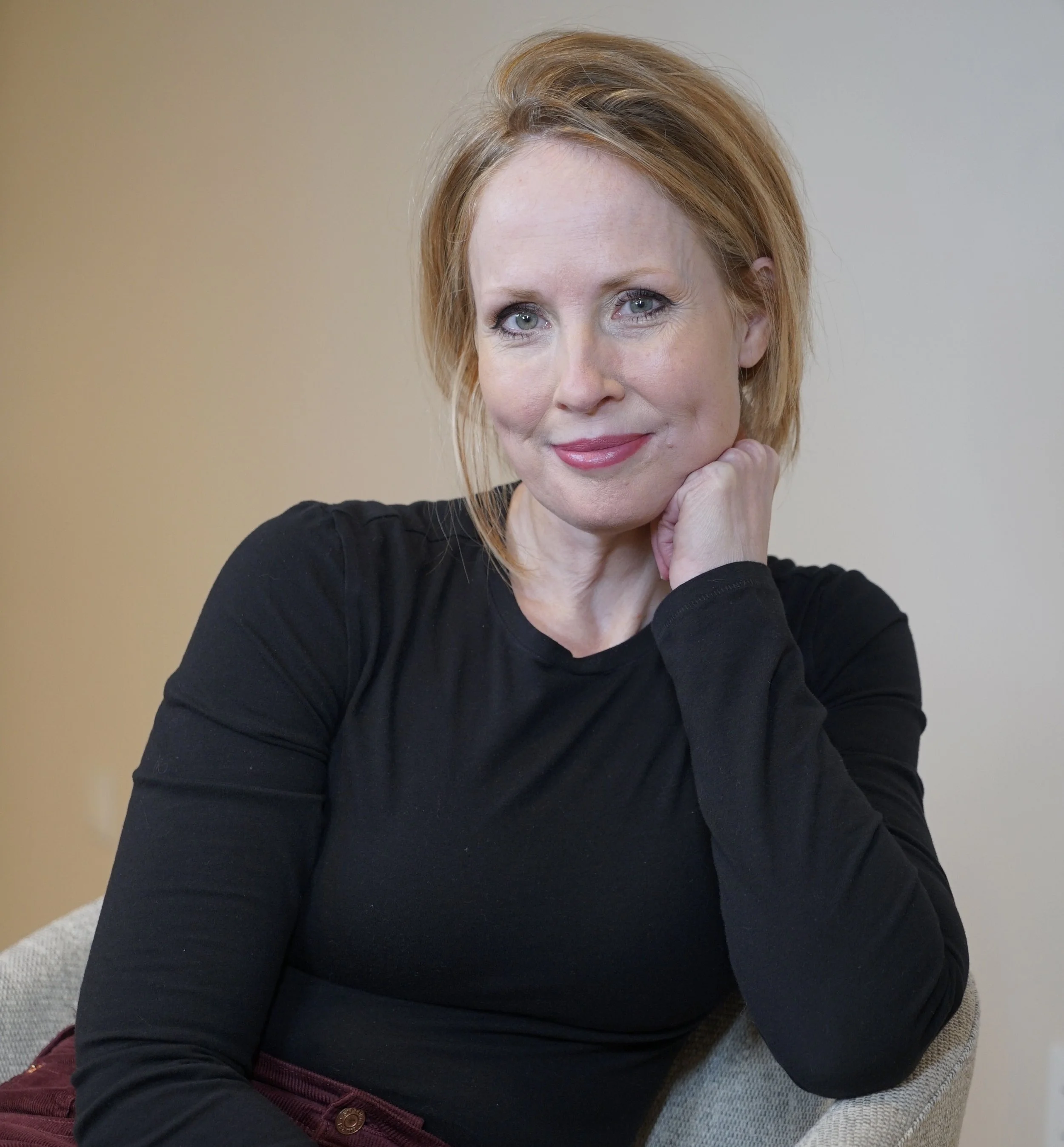
I’m Tennille. I’m an Occupational Therapist who helps people create more space, freedom, and adaptability in their lives through embodied therapeutic work.
Occupational therapy is a whole-person approach that supports healing and well-being through movement, body awareness, nervous system regulation, and everyday life activities. Rather than focusing on symptoms alone, it recognizes the connection between the body, emotions, senses, thoughts, and daily experiences — and how these all influence the way we move through life, relate to others, and care for ourselves.
Sessions may include conversation, movement exploration, and hands-on therapeutic techniques to support alignment, regulation, sensory integration, and greater ease within the body. Grounded in a collaborative therapeutic relationship, this work is designed to help clients build resilience, increase self-awareness, and participate more fully in the activities and relationships that matter most.
-
Embodiment can help you develop a deeper awareness of your body, emotions, habits, and responses, allowing you to move through life with greater clarity, regulation, and connection. By becoming more attuned to physical sensations, movement patterns, breath, and internal experience, many people begin to recognize stress, tension, overwhelm, or disconnection earlier and respond with greater intention and self-understanding.
-
Embodied practices may support:
nervous system regulation and stress reduction
improved body awareness and movement efficiency
emotional processing and resilience
recovery from injury, burnout, or chronic tension
increased presence, confidence, and adaptability
deeper connection to self, relationships, and meaningful activities
-
In an embodied OT approach, the goal is not just symptom reduction, but creating space for movement in the body, ease in the mind, and a greater sense of presence, capability, and connection in how you move through your everyday life.
Get in Touch!
Schedule a free 1:1 introductory session to discuss if working together is right for you

FAQ

-
A free consultation will help determine whether working together will help you achieve your goals. Consultations are done over a 15 minute video call.
-
Tennille does not accept any insurance. Fees are comparable with similar specialized providers in the area and it may be possible for you to be reimbursed in full or part by your insurance. Please contact your insurance provider for information about reimbursement for out-of-network occupational therapy. Tennille can provide the needed documentation if you would like to submit for reimbursement by your insurance provider.
-
Individualized 45-minute sessions are tailored to each client’s unique goals and may include a combination of discussion, movement-based therapy, breathwork, mindfulness, and hands-on therapeutic techniques to support healing, regulation, mobility, and meaningful change.
-
Individual sessions are based in Dobbs Ferry, though travel sessions may be available depending on circumstance and location. Virtual sessions can also be arranged when appropriate, allowing care to remain supportive, accessible, and adaptable to individual needs.
-
Session Fees
45-minute Individual In-Person Session — $200
45-minute Virtual Session — $200
45-minute Travel Session — $500
Travel sessions are subject to availability and location.
-
Embodied therapeutic work integrates physical, emotional, cognitive, and sensory experiences within the therapeutic process. This approach acknowledges that stress, pain, trauma, habits, and emotional experiences are often reflected within the body and nervous system.
Through movement-based interventions, mindfulness, breathwork, touch-based modalities, and therapeutic reflection, clients are supported in improving regulation, function, self-awareness, mobility, and participation in meaningful daily activities.
-
Rossiter stretching is a movement-based bodywork technique designed to help release tension and restriction within the connective tissue system (fascia) through a combination of targeted pressure and active stretching. Distinctive to the Rossiter approach is its “foot-on” technique, in which the practitioner uses their feet to apply broad, controlled pressure while the client actively participates in guided movement and stretching patterns.
Unlike passive massage, Rossiter work is interactive and movement-oriented, helping to lengthen tissue, improve mobility, decrease discomfort, and restore more efficient movement patterns. The approach is often used to address chronic tension, postural strain, stress-related holding patterns, movement limitations, and discomfort associated with repetitive use or injury. It may also support nervous system regulation by helping the body shift out of patterns of guarding and compression, creating greater ease, alignment, and body awareness